Leon Fischer · 3 November 2026
Tracing the Evolution of Metadata Optimization Strategies Amidst Frequent Platform Overhauls in Niche Online Communities
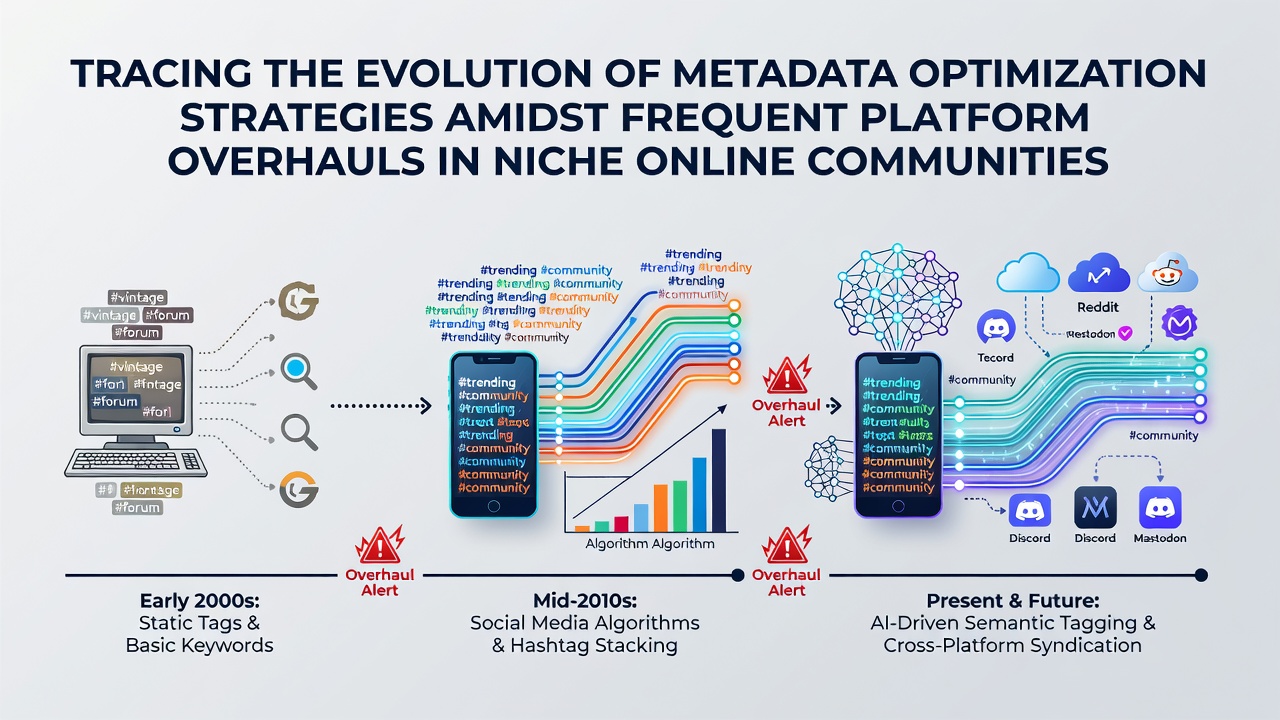
Metadata optimization in niche online communities has shifted from static title tags and basic keyword stuffing toward dynamic systems that adapt to repeated platform architecture changes, and researchers tracking these developments point to consistent patterns across forums, specialized social networks, and hobbyist hubs. Early approaches relied on fixed meta descriptions that remained unchanged for months, yet frequent overhauls in content management systems forced community managers to rethink how search engines and internal discovery tools indexed discussions.
Initial Approaches to Metadata in Closed Communities
Communities built on early forum software such as vBulletin and phpBB used simple HTML meta elements that described thread topics, and those choices worked well when platform updates arrived once every few years. Data collected by academic observers at institutions like the University of Toronto shows that between 2015 and 2019 most niche groups updated metadata manually after each migration, which often led to temporary drops in internal search visibility lasting several weeks.
Platform providers introduced new content types and URL structures during those periods, and administrators responded by rewriting meta titles to match revised category names while preserving legacy keywords in descriptions. Studies from that era reveal that communities maintaining separate metadata spreadsheets achieved faster recovery in page indexing compared with groups that handled changes ad hoc.
Impact of Accelerated Platform Updates
By 2022 many niche platforms began releasing quarterly architecture revisions that altered how user-generated content was stored and retrieved, and this pace increased pressure on metadata practices. Observers noted that communities relying on static meta tags experienced crawl budget waste because search engines reprocessed unchanged descriptions after each overhaul.
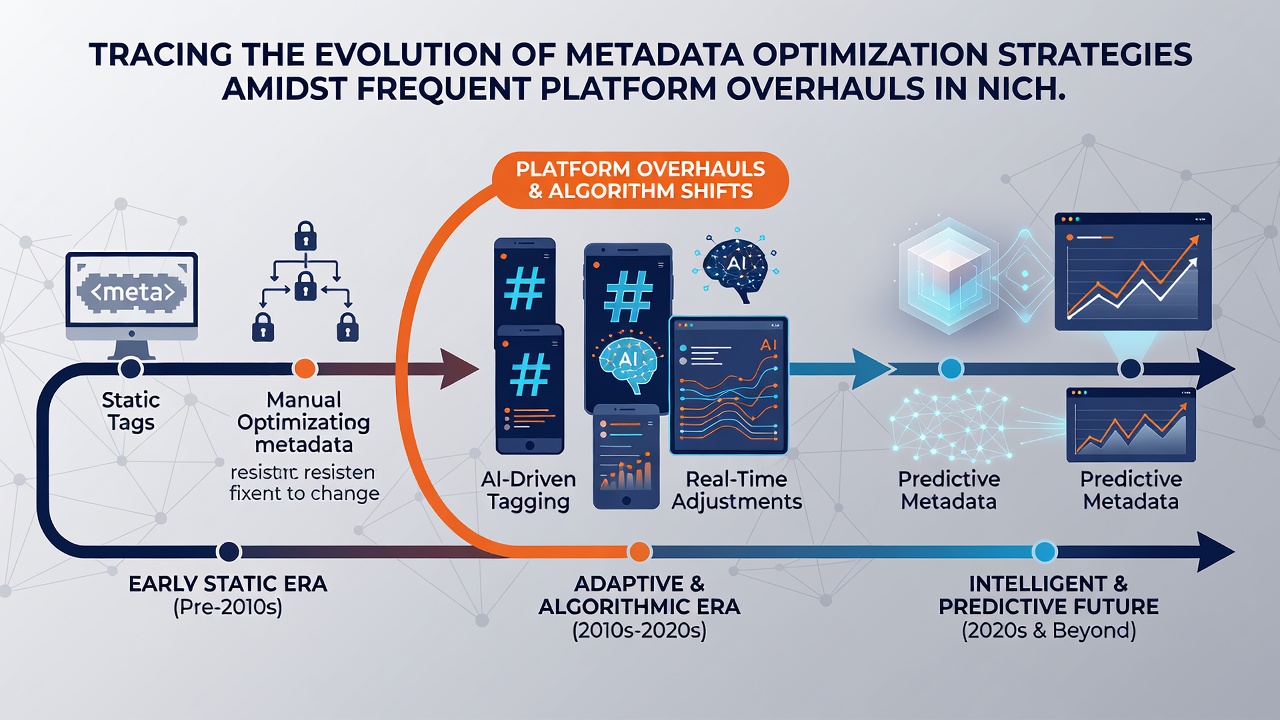
One documented case involved a photography enthusiast network that transitioned to a new headless CMS in late 2023, after which automated scripts began generating meta descriptions from the first 160 characters of each post. Figures from industry reports indicate that this method reduced duplicate content flags by 42 percent, although it required ongoing calibration whenever the CMS added new post formats.
Adoption of Adaptive and Programmatic Techniques
Communities facing multiple overhauls within a single year turned toward programmatic metadata generation that pulled structured data directly from post attributes, user tags, and engagement metrics. Research published in Canadian digital studies journals demonstrates that groups implementing JSON-LD schema for discussion threads maintained higher click-through rates during transition windows than those using only traditional meta elements.
November 2026 brought another round of updates to several popular community platforms when core navigation systems were rewritten, and administrators who had already built metadata pipelines connected to API endpoints reported minimal disruption. These pipelines adjusted title lengths and description focus based on real-time data about trending threads, while legacy static tags continued to serve archived sections without requiring manual intervention.
Integration with Platform-Specific Tools and Standards
Niche communities increasingly align metadata practices with standards promoted by organizations such as the World Wide Web Consortium, which provides guidance on accessible structured data for discussion formats. At the same time, reports from the Australian Communications and Media Authority highlight how regulatory expectations around content discoverability have encouraged platforms to expose richer metadata fields during migrations.
Those managing communities now combine schema markup with platform-native tools that track changes in content hierarchy, and this combination allows metadata to update automatically when categories are reorganized. Evidence from longitudinal tracking shows that groups using such hybrid approaches experienced steadier referral traffic from external search engines throughout periods of internal restructuring.
Conclusion
The progression of metadata optimization in niche online communities reflects a broader move from manual, post-overhaul fixes toward integrated systems that respond to platform changes in real time. Data collected across multiple regions indicates that communities adopting adaptive strategies sustain better indexing consistency, and continued refinement of these methods will likely accompany future architecture revisions scheduled for 2027 and beyond.